
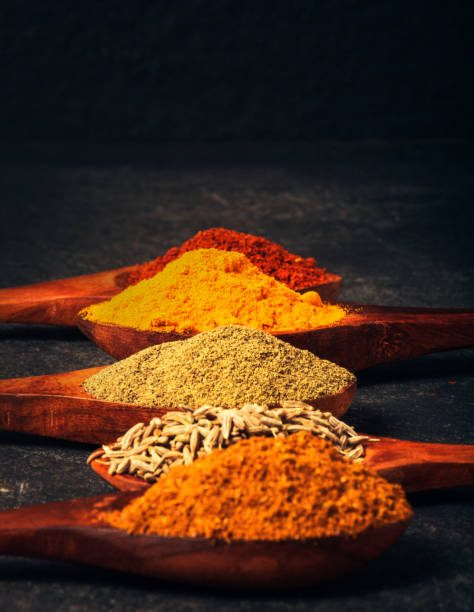
Pakistani/Indian Spices Explained: A Beginner’s Guide
Pakistani/Indian cuisine is celebrated around the world for its incredible depth of flavor, vibrant colors, and aromatic spices. If you’re new to Indian cooking, the variety of spices can seem overwhelming at first. The good news is that you don’t need dozens of spices to prepare delicious meals at home.
Understanding a few essential spices—and how they work together—can transform everyday ingredients into flavorful dishes your family will love.
At White Jasmine, we believe cooking should be approachable and enjoyable. Our handcrafted spice blends make it easy to bring authentic, globally inspired flavors into your kitchen without the guesswork.
Let’s explore the spices that form the foundation of many Indian recipes.
Why Are Spices So Important in Indian Cooking?
Spices do much more than add heat. They contribute aroma, color, depth, and balance. Each spice plays a unique role, and when combined thoughtfully, they create complex flavors that no single ingredient could achieve alone.
Many traditional recipes use several spices together, with each one complementing the others to create harmony in the finished dish.
Essential Pakistani/Indian Spices Every Beginner Should Know
Cumin
Cumin has a warm, earthy, slightly nutty flavor and is one of the most widely used spices in Indian cuisine.
Use cumin in:
- Lentil dishes
- Rice
- Soups
- Roasted vegetables
- Marinades
- Ground beef or chicken
Both whole cumin seeds and ground cumin are common in Pakistani/Indian cooking.
Coriander
Ground coriander comes from the seeds of the cilantro plant and has a mild citrusy, slightly sweet flavor.
It works well in:
- Curry dishes
- Chicken marinades
- Vegetable recipes
- Soups
- Dressings
Coriander balances stronger spices while adding freshness.
Turmeric
Known for its brilliant golden color, turmeric has an earthy, slightly peppery taste.
It’s commonly used in:
- Rice dishes
- Curry recipes
- Soups
- Lentils
- Roasted vegetables
A small amount goes a long way in adding both color and flavor.
Cardamom
Cardamom is one of the most aromatic spices used in Indian cooking.
Its sweet, floral notes make it ideal for:
- Chai tea
- Rice pudding
- Baked goods
- Rice dishes
Cinnamon
Cinnamon is often used in savory recipes as well as desserts.
It pairs beautifully with:
- Rice
- Braised meats
- Lentils
- Warm beverages
Cloves
Cloves offer an intensely warm, sweet aroma.
Because they’re powerful, only a small amount is needed in:
- Rice dishes
- Stews
- Spice blends
- Holiday recipes
Black Pepper
Long before chili peppers became common, black pepper added gentle heat to many dishes.
It enhances virtually every savory recipe.
Mustard Seeds
Black and brown mustard seeds are often briefly cooked in hot oil to release their nutty flavor before adding other ingredients.
They’re commonly used in vegetable dishes, lentils, and pickles.
Chili Powder
Chili powder varies in heat depending on the blend.
It adds:
- Color
- Warmth
- Depth
- Balanced spice
Remember that flavorful doesn’t always mean spicy. Many Indian dishes are aromatic rather than hot.
What Is Garam Masala?
One of the most popular spice blends, Garam Masala combines several warming spices, often including:
- Cumin
- Coriander
- Cardamom
- Cinnamon
- Cloves
- Black pepper
Every family and region has its own recipe, making Garam Masala wonderfully diverse.
It’s commonly added toward the end of cooking to preserve its rich aroma.
Perfect for:
- Chicken
- Lentils
- Soups
- Roasted vegetables
- Rice
What Is Tandoori Masala?
Tandoori Masala is a flavorful spice blend traditionally used for marinating meats cooked in a tandoor (clay oven).
White Jasmine’s Tandoori Masala combines carefully selected spices to create a balanced blend that’s ideal for modern home cooking.
Use it for:
- Chicken
- Seafood
- Vegetables
- Yogurt marinades
- Roasted potatoes
- Grilled sandwiches
Simply mix the seasoning with yogurt, lemon juice, and a little oil to create an easy marinade full of authentic flavor.
What Is Sajji Masala?
Inspired by the traditional Sajji cooking style of Balochistan, White Jasmine Sajji Masala delivers bold, savory flavor with a carefully balanced blend of spices.
It’s excellent for:
- Whole chicken
- Salmon
- Lamb
- Roasted vegetables
- Grilled shrimp
- Potatoes
The blend creates a flavorful crust while allowing the natural taste of the ingredients to shine.
Easy Ways to Start Cooking with these Spices
You don’t have to prepare elaborate curries to enjoy Indian spices.
Try using them in everyday meals:
- Sprinkle Garam Masala over roasted vegetables.
- Add Tandoori Masala to grilled chicken.
- Season burgers with cumin and coriander.
- Mix spices into homemade salad dressings.
- Stir Garam Masala into tomato soup.
- Season roasted potatoes before baking.
- Add Tandoori Masala to Greek yogurt for a quick dip.
Small changes can introduce exciting new flavors into familiar recipes.
Tips for Buying and Storing Spices
To keep spices fresh:
- Store them in airtight containers.
- Keep them away from heat, moisture, and sunlight.
- Replace ground spices every 1–2 years for the best flavor.
- Purchase from trusted brands that prioritize quality ingredients.
Fresh spices make a noticeable difference in your cooking.
Frequently Asked Questions
Are Pakistani/Indian spices always spicy?
No. Many Indian spices focus on aroma and depth rather than heat. Spices like cumin, coriander, cardamom, cinnamon, and turmeric are flavorful but not hot.
What’s the difference between Garam Masala and Tandoori Masala?
Garam Masala is typically added during or near the end of cooking to enhance flavor, while Tandoori Masala is commonly used as part of a marinade for grilling, roasting, or baking.
Can beginners cook with Pakistani/Indian spices?
Absolutely. Starting with a quality spice blend is one of the easiest ways to explore Indian-inspired cooking without buying many individual spices.
Which White Jasmine spice blend should I try first?
If you enjoy grilled chicken, vegetables, or seafood, White Jasmine Tandoori Masala is an excellent introduction. For soups, rice, lentils, and everyday cooking, White Jasmine Garam Masala offers incredible versatility.
Bring Bold Flavor to Your Kitchen
Learning about Indian spices is the first step toward creating meals that are vibrant, comforting, and full of character.
At White Jasmine, we’re passionate about making globally inspired flavors approachable for every home cook. Our handcrafted spice blends are made with carefully selected ingredients, allowing you to enjoy authentic flavor with confidence.
Whether you’re preparing grilled chicken with Tandoori Masala, seasoning roasted vegetables with Garam Masala, or adding bold flavor with Sajji Masala, you’ll discover that a little spice can transform an everyday meal into something extraordinary.
Explore White Jasmine’s collection of artisan spice blends and start your culinary adventure today.